White-label and rebadged excavators: why OEM attribution gets hard
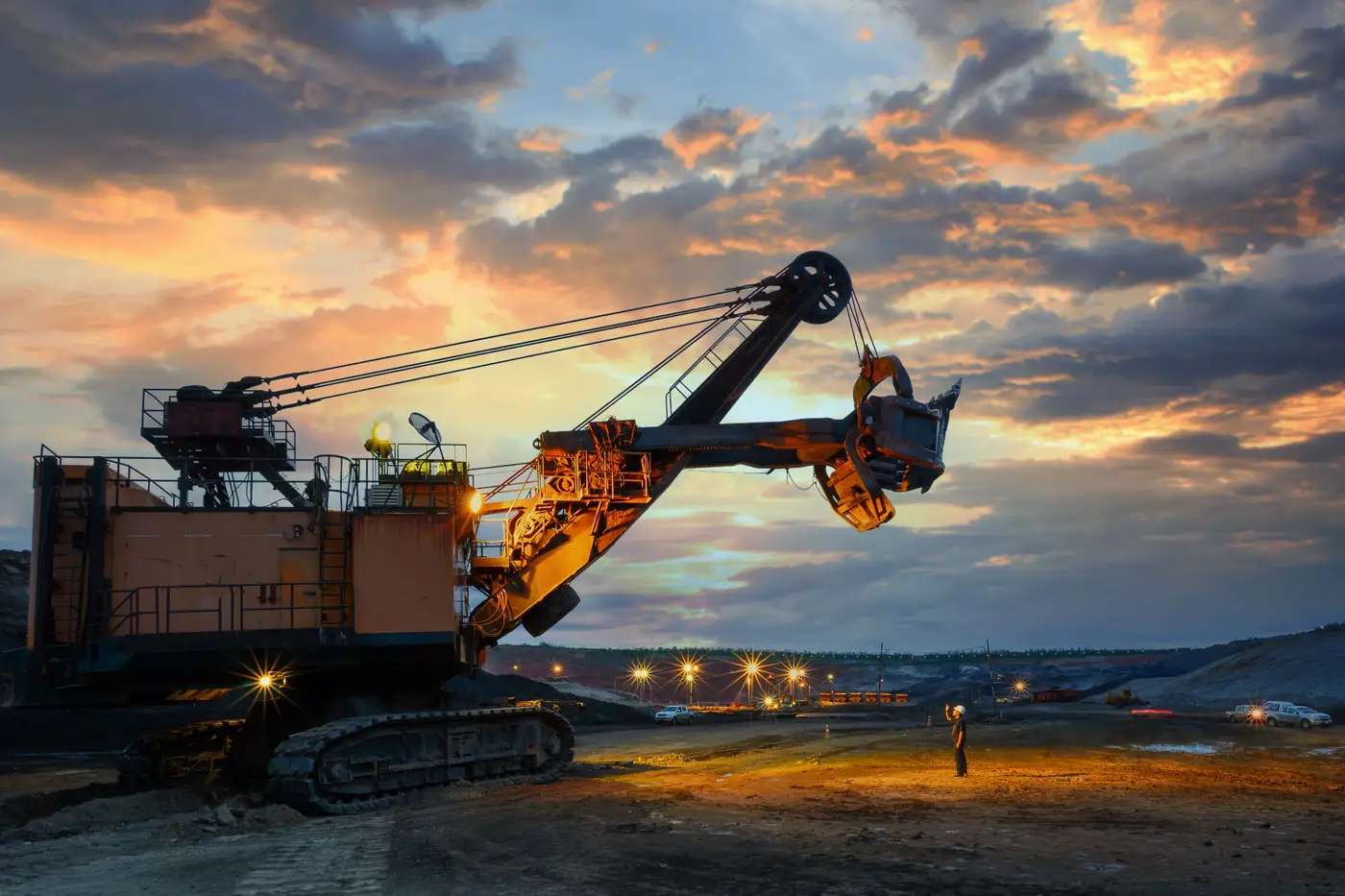
A yellow excavator on a jobsite doesn't always mean what you think it means. Walk a mixed fleet long enough and you'll hit a machine with a paint scheme that's almost right, a decal pack that doesn't match the boom casting underneath, and a dealer badge that was clearly applied after the fact. That's the rebadge problem, and it's the reason a straight color-and-logo read of a site photo will eventually put a machine in the wrong column.
Contract manufacturing isn't a secret, but it isn't labeled either
A lot of mid-tier and regional excavator lines aren't built end to end by the name on the cab. Some brands buy complete machines from a contract manufacturer and apply their own livery before the unit ever leaves the plant. Others source the undercarriage or the upper structure from one builder and finish assembly under their own badge. None of this is hidden from the industry, dealers know their supply chains, OEMs disclose sourcing in filings when it's material, but none of it shows up in a jobsite photo either. The machine in the image carries one company's name and another company's structural fingerprint, and from a distance those two facts look identical.
For fleet-share work, contract-built machines break the badge-equals-brand assumption outright. A builder's contract-manufactured line can grow or shrink independent of their flagship models, and if your attribution logic keys off paint color alone, you end up crediting the wrong manufacturer every time that supplier relationship shifts.
White-label and private-label lines strip the signal further
Badge engineering is the deeper version of the same issue. A dealer group or a regional distributor takes a base machine, repaints it in house colors, swaps the decal pack, and sells it under a private label with its own name and its own dealer network, entirely separate from the original OEM's branding. The excavator under that fresh paint can be structurally identical to a machine wearing a completely different name three counties over.
Rebadging isn't rare at the margins either. It shows up heavily in:
- Rental fleets that repaint acquired equipment to match house colors
- Regional distributors running a private-label line alongside the OEM brand they also carry
- Older machines that changed hands and got a repaint along with the sale
- Markets where a global OEM licenses a name to a local assembler
In every one of these cases, the paint is the least reliable part of the read. It's the part that gets changed on purpose.
What's left when you can't trust the livery
Counterweight shape, boom and stick geometry, cab profile, and undercarriage proportions don't get redone during a rebadge. Repainting a machine is cheap. Re-engineering its structural silhouette is not, so those elements stay put even when everything cosmetic around them changes. A tool that's reading those physical traits alongside color and decal placement has a shot at catching the rebadge; one that's reading paint alone will just report the new coat and move on.
That's the gap we built Machine Brand Recognition to close: attributing a detected machine to its manufacturer using boom geometry and counterweight silhouette as well as color, so a repainted or private-labeled unit doesn't get filed under the wrong name just because someone changed the decals.
Attribution work gets harder exactly where the fleet gets more interesting, which is usually where contract manufacturing and private-label programs are doing the most work. If that's the layer of your competitive read that keeps coming up short, the pilot list is open and worth a look.