What is a decal package, and why it outlasts a dealer repaint for equipment ID
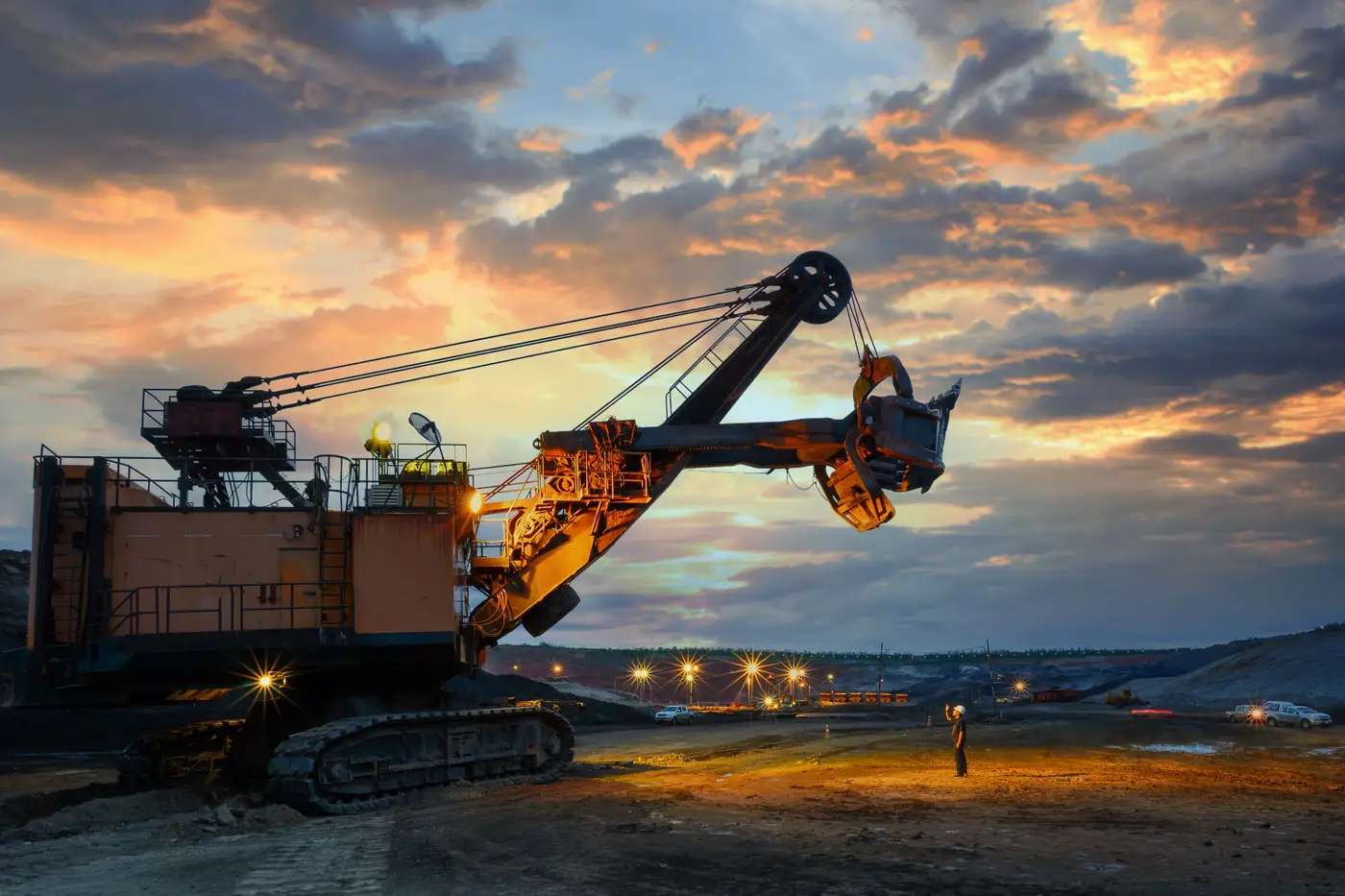
If you've ever walked a rental yard and found three different "Caterpillar yellow" excavators that turned out to be two Komatsus and a repainted Case, you already know the problem. Paint color is the first thing people use to call a brand from a distance, and it's also the first thing that changes once a machine leaves the factory.
What a decal package actually is
A decal package is the set of graphics the OEM applies at the plant: the brand logo, the model and series callout, safety and warning decals, hour-meter labels, and usually a serial or PIN tag riveted somewhere on the frame. It's separate from the paint job. Paint is a base coat and clear coat; decals are applied on top, and they're the part of the machine that actually says who built it and what it is.
Dealers and rental companies touch both, but for different reasons. A dealer doing a trade-in repaint is covering rust, chips, and faded paint to make a used machine sellable. A rental fleet repaints to put its own fleet colors over the factory color so the machine reads as "ours" from across a jobsite, not as whatever brand it started life as. In both cases, the goal is cosmetic and commercial, not an attempt to hide the OEM. It just happens to blur the one signal most people rely on first.
Why decals hold up where paint doesn't
Repaint shops don't usually strip and reapply the full decal package; it's extra labor for no resale benefit. So you'll often see a repainted boom with the OEM logo decal still sitting there over the new color, or a serial tag left untouched because removing it raises its own questions. That's the practical reason decals outlast a repaint as an ID signal: they survive a process that's specifically designed to change color.
They're not permanent, though. Heavy-duty repaints strip decals along with the old paint. Decals fade, get pressure-washed off, or get covered by a second rental company's branding stickers layered over the first. A serial tag can be removed entirely on a machine that's changed hands enough times. Decals beat paint, but "outlasts a repaint" isn't the same as "survives indefinitely," and anyone doing fleet ID work on the ground learns to treat a decal as a strong clue, not a guarantee, especially on an older machine.
The harder problem: you can't read a decal from above
All of this assumes you're close enough to read a decal, which is the catch for anyone trying to attribute machines from site imagery instead of a yard walk. A decal that's two inches wide on a boom arm is nowhere near resolvable from a drone pass or a satellite tile covering a hundred-acre site. Paint color, at least, shows up at that scale, which is exactly why it ends up being the default signal people fall back on for remote counts, and exactly why it's the least reliable one once repaints and rental fleet colors are in the mix.
What does carry across both a yard walk and an aerial read is the stuff that doesn't change at a body shop: boom and stick geometry, counterweight shape and placement, cab silhouette, undercarriage configuration. A repaint can turn a Komatsu into Cat yellow. It can't turn a Komatsu boom into a Cat boom. That's the gap Machine Brand Recognition is built to close, reading geometry and silhouette alongside color so a fleet-share count doesn't hinge on whatever paint happened to be on the machine that week.
If you're attributing detected machines to manufacturers and tired of color being your only lever, it's worth seeing what a geometry-based read looks like on your own site imagery.