Scoring attribution confidence on a partial machine silhouette
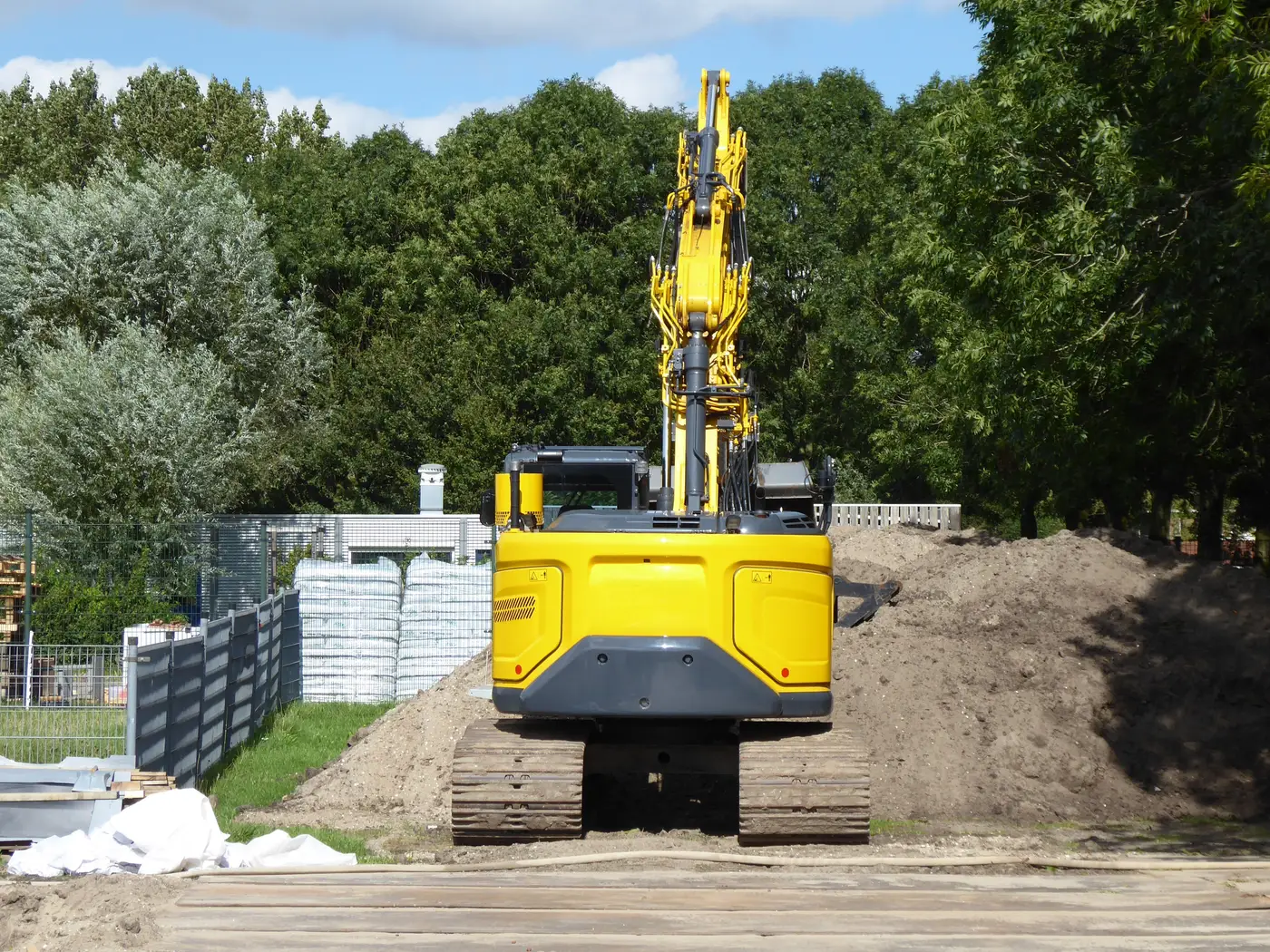
You pull up a tile, find a machine in the yard, and half of it is gone. A stockpile clips the counterweight. The boom runs off the edge of the frame. A second machine is parked nose to nose with it and the undercarriage reads as one long tracked shape until you look twice. This happens on every job that runs multiple shifts or stages equipment tight, and it's the actual hard part of attribution work. Counting the blob is easy; calling the brand on a fragment is where the tiering has to earn its keep.
What each feature is worth when it's partial
Not every visible cue carries the same weight, and that matters more once the picture is incomplete.
Counterweight silhouette is usually your strongest single tell, because the rear casting shape, the branding plate position, and the taper into the house are distinctive enough on most major OEMs to hold up even at a steep look angle. If you've got a clean counterweight edge and nothing else, that's often enough to call a probable.
Boom geometry is the second-best signal, but it needs more of the machine in frame than a counterweight does. A partial boom, especially one cut off before the stick pivot, can fit two or three manufacturers' mid-size excavators equally well. Don't lean on a boom fragment alone.
Color is the weakest standalone cue and the one analysts lean on anyway because it's the easiest to see. Repaints, rental fleet liveries, and regional dealer schemes break the color-to-brand mapping constantly. Treat color as a tiebreaker between two candidates the counterweight already narrowed down, not as primary evidence.
A three-tier approach that holds up under review
Confirmed. Two independent features visible and consistent with each other: counterweight shape plus color, or counterweight shape plus boom pivot geometry. This is the only tier that should feed a fleet-share percentage without a flag attached.
Probable. One strong feature visible (counterweight, mostly) with nothing in frame that contradicts it, but no second confirming cue. These go in the count with a confidence flag, and whoever's reading the fleet-share report should see that flag, not a silent rollup.
Indeterminate. A fragment that's consistent with more than one manufacturer, or a feature that's ambiguous at the resolution you've got. This machine still counts toward total fleet size. It does not get a brand pinned on it. Forcing a call here is how a fleet-share read quietly turns into a fleet-share guess.
Where the occlusion actually comes from
On most sites it's not random. Machines get staged nose to nose or boom to boom at end of shift, which hides the counterweight of whichever one backed in second. Canopy height on a site with structures or tree lines blocks a clean overhead view of anything parked underneath. Tile seams cut machines in half at a fixed, predictable interval, which is worth checking for before you assume a silhouette is genuinely occluded rather than just split across two frames you haven't stitched yet. Dust and shadow do the rest, especially on quarry and aggregate sites where a machine working the face can be half-buried in its own cloud by the time the pass captures it.
Why the tiering matters more than the count
A fleet-share number built on forced brand calls is wrong in a specific, misleading way: it looks precise. A report that says one OEM holds 40% of the fleet on a given site is a different claim depending on whether that 40% came from confirmed reads or from an analyst calling every ambiguous fragment to match the pattern they already expected to see. The tier tells the next person reading your report how much weight to put on the number.
This kind of read, attributing a detected machine to a manufacturer from color, boom geometry, and counterweight silhouette rather than just counting it, is the use case Machine Brand Recognition is built around, and it's early enough that attribution calls like these are still being worked through on a pilot basis rather than shipped as a packaged report.
If partial silhouettes are a regular headache on the sites you track, the pilot list is open.