Field notes: the mine site where three OEMs' excavators looked identical from 30,000 feet
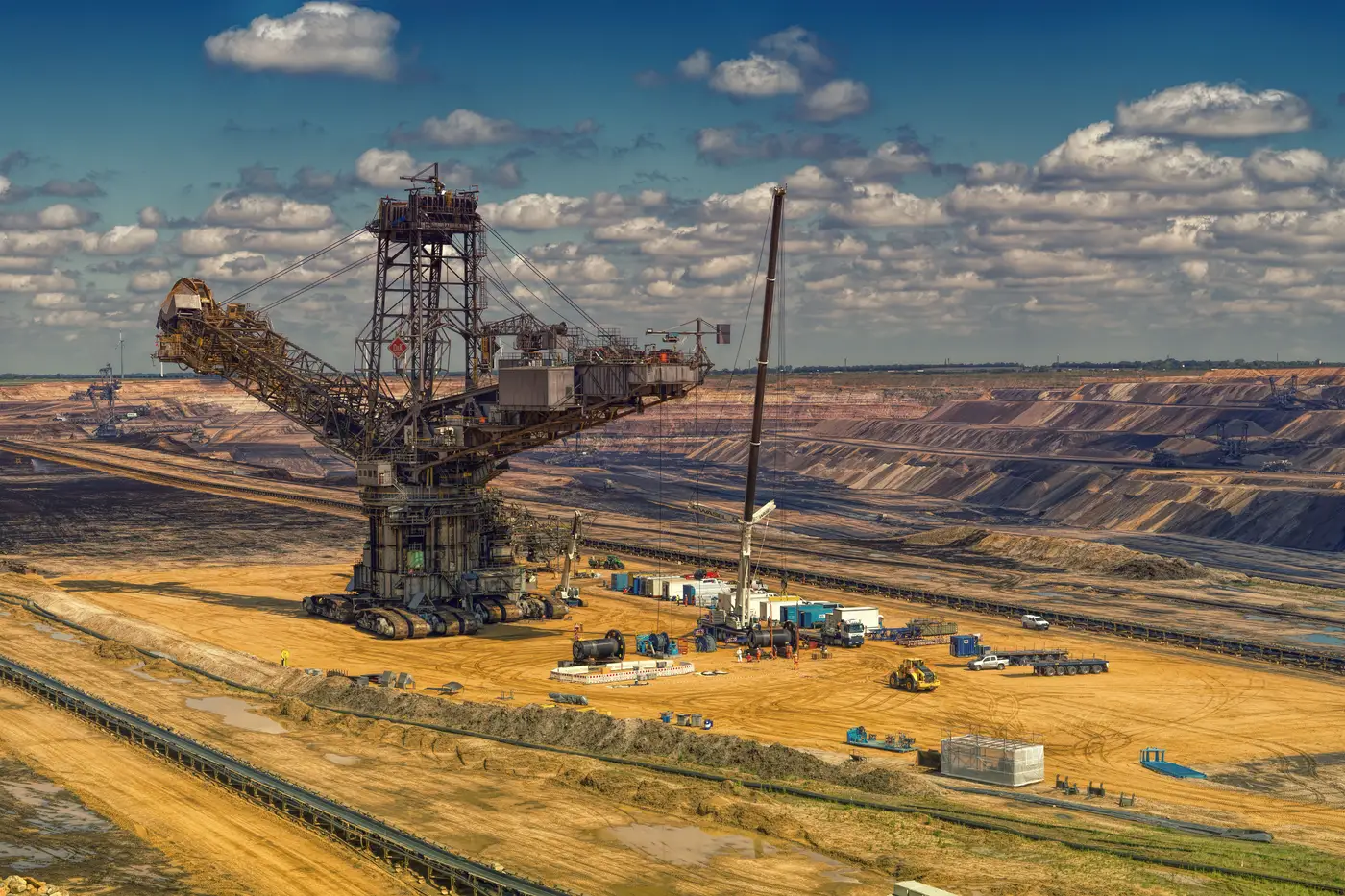
We pulled imagery over a copper operation last spring where the fleet mix was supposedly known going in. Client brief said two OEMs, maybe a third on a short-term rental. Simple enough job: count the hydraulic mining shovels and large excavators, sort them by maker, done by Friday.
By Wednesday we had a pile of near-identical grey rectangles sitting in a pit that, from above, told us almost nothing.
At the altitude that imagery was shot, a 90-tonne excavator from one OEM and a 90-tonne excavator from a direct competitor occupy roughly the same footprint, cast roughly the same shadow, and sit at roughly the same orientation relative to the bench. The boom was folded for transport on two of the three units we were trying to split out, which strips away the one geometric tell that usually does the heavy lifting. No boom angle, no stick length ratio, nothing to measure. Just a hull shape and a counterweight that both read as "dark, roughly trapezoidal, about the size we'd expect."
This is the part of the job nobody puts in the proposal deck. Counting machines on a site is a solved problem. Pixels on target, enough resolution to separate one blob from the next, you get a number and the number is usually right. Attributing those machines to a manufacturer is a different exercise entirely, and it falls apart in a specific order: boom geometry first, because folded or stowed booms are common on sites doing maintenance or a shift change, then paint colour, because open-pit fleets accumulate dust and oxidation that mutes factory colour toward a uniform rust-brown within a season, then counterweight silhouette, which is genuinely the most reliable of the three but needs a viewing angle and resolution that a lot of commercial tasking plans don't budget for.
Going back to an earlier capture of the same pit from a month prior is what saved that job. Two of the three units had booms extended and working in that older pass, caught mid-cycle. Geometry we could measure. One read clean as the OEM everyone expected. The other didn't match either of the two brands on the client's list, which turned out to matter more than the original ask. It was a rental unit from a third manufacturer nobody had flagged, parked in a corner of the pit doing overburden work for about six weeks.
That's the general shape of attribution work at this resolution: colour gets you nothing once a machine has been outdoors for a season, silhouette gets you most of the way when the capture angle cooperates, and boom geometry is the tiebreaker when you can get it, which is less often than a client assumes going in. A count tells you fleet size. It doesn't tell you whose fleet it is, and the gap between those two numbers is exactly where the competitive intelligence work lives.
We've started keeping a running note of which OEM silhouettes are easy to split apart at typical VHF resolution and which ones sit close enough in counterweight shape that you need a second pass, ideally with the boom unstowed. It's slower than a simple count and it should be treated that way. If you're trying to turn a machine tally into a branded fleet-share read instead of guessing from paint that's long since gone the colour of the pit floor, Machine Brand Recognition is built around that specific attribution problem rather than the counting one.
If your last site report gave you a number but not a brand, that's worth a conversation.