Field notes: when low sun turns a Kobelco the same orange as a Hitachi
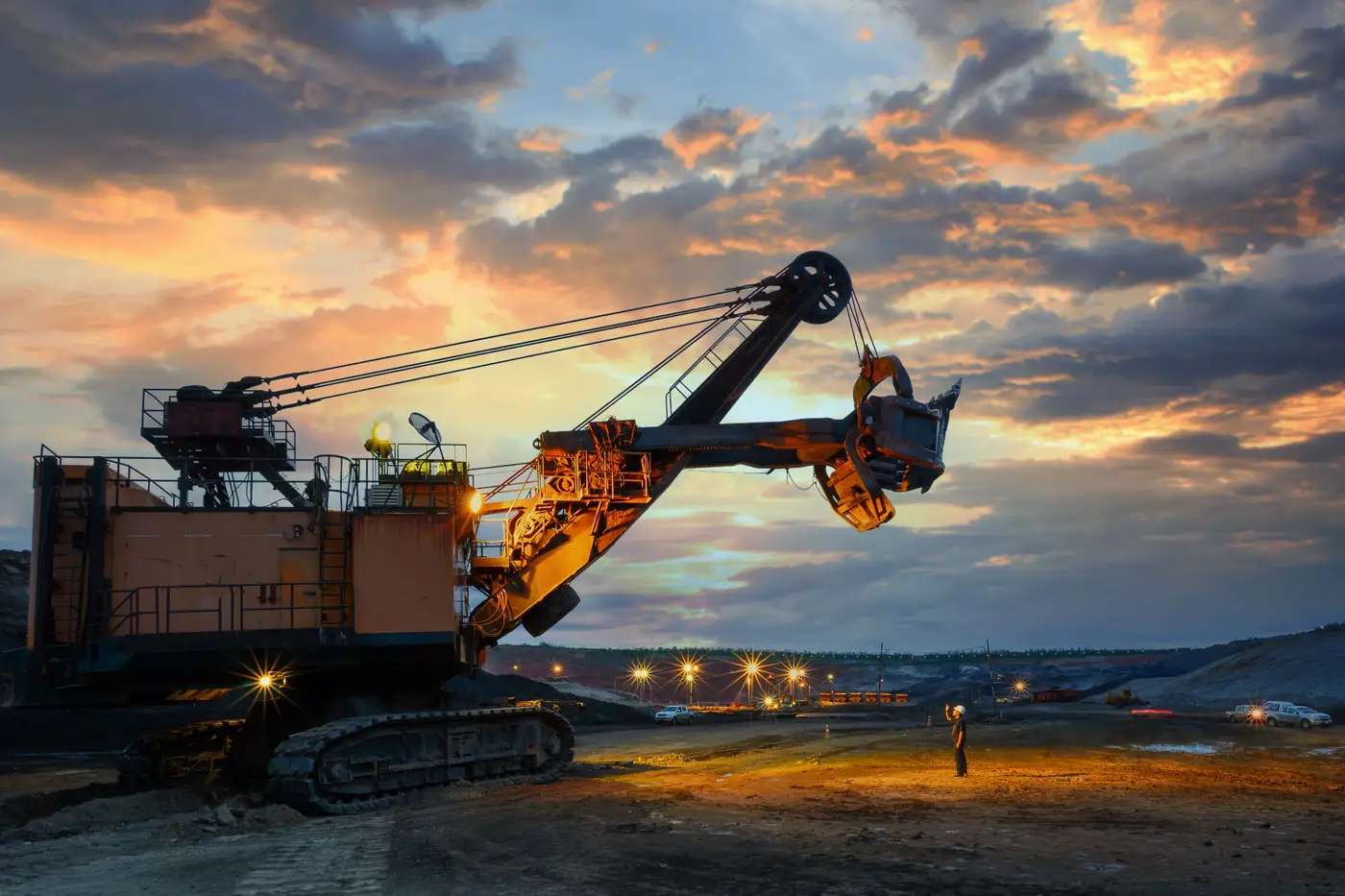
Four-eleven in the afternoon, a yard outside a rail spur, sun sitting maybe twelve degrees above the horizon. I pulled the tile to check a count against the prior pass and every orange machine on the lot had gone the same orange. Not similar. The same. A Kobelco SK350 and what I'd have called a Hitachi ZX330 at noon were reading within a few RGB values of each other by the time the sun dropped that low.
The sensor's fine. Color temperature is doing what color temperature does to paint as the light changes. Midday light sits close to 5500K and renders paint close to what a spec sheet calls it. Late-day light drifts toward 2500-3000K, and that shift doesn't apply evenly. Kobelco's safety orange and Hitachi's orange-yellow sit close enough on the color wheel that a few hundred Kelvin of warm bias collapses the gap between them. Add a sensor doing automatic white balance across a tile with long shadows and bright sky in the same frame, and you get localized color drift that no amount of post-processing cleans up uniformly, because the drift isn't uniform to begin with.
I've seen the same thing happen with CAT yellow next to a sun-faded Komatsu that's been sitting in a yard for six seasons. Fresh paint and weathered paint under flat midday light still read as two different machines. Put both under low-angle, warm light and the faded one brightens just enough to close the gap. Color does the job we ask of it most of the time. It just doesn't hold up at the edges of the shooting window, and a lot of VHR capture gets scheduled for the edges of the shooting window, because that's when the contractor's oblique flight was available or when the satellite had a clean pass over that latitude.
The part that actually saved the count that day wasn't a color correction. It was the boom. A mono-boom with a two-piece arm throws a different silhouette than a mono-boom excavator with a straight stick, and that geometry doesn't shift with the light the way a paint swatch does. Neither does counterweight shape. At a resolution where you can resolve the machine's footprint and the break point of the boom, you can still tell a Kobelco from a Hitachi at 4pm even when the color channel has given up entirely. The shadow itself helped too, in a roundabout way: a low sun elongates the boom's shadow enough to make the articulation point visible as a kink in the shadow line, which is sometimes a cleaner read than the machine body itself when the machine is partly in its own shade.
None of this means color is useless. Most of the day, in most light, paint color is still the fastest tell on a yard full of machines. The point is narrower: on a site where every attribution has to hold up if someone asks how you got there, you can't let the pass with the best light carry the whole read, and you can't treat a four o'clock tile the same as a noon one without checking what the light did to the palette first.
That's the premise behind what we're building at the attribution read that leans on boom geometry and counterweight silhouette alongside color, not instead of it. Color gets you most of the way on a clean midday pass. The rest of the day needs a second signal that doesn't shift when the sun does.
If your fleet counts need a brand attached to them and not just a tally, that's the use case we're piloting.